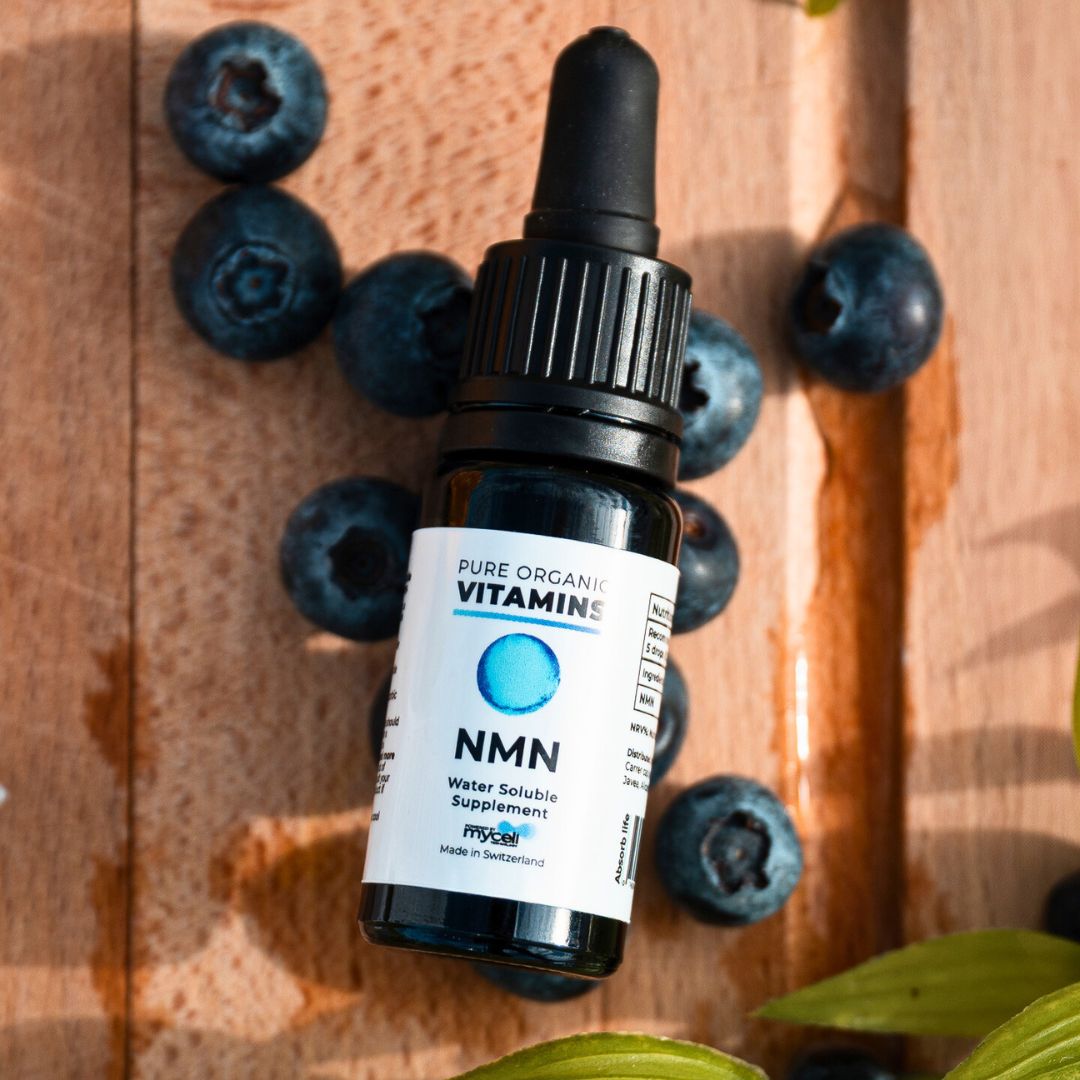


Quick Summary: If you’ve noticed more hair shedding as colder months set in, you’re not alone. Seasonal changes often begin in autumn but become more noticeable in winter, when dry air, indoor heating and reduced sunlight add extra strain on the scalp and hair cycle. Alongside gentle hair care, liquid hair supplements offer a discreet and practical way to support nutrient intake during this time, especially when consistency matters.
Introduction
There’s a moment many people recognise — more hair left in the shower, caught in a scarf or sitting in the brush than usual. Sometimes it’s subtle; sometimes it feels alarming, but once you notice it, it’s hard to ignore.
For many, increased hair shedding begins in early autumn and becomes more noticeable as winter sets in. Colder air, indoor heating and shorter days can all affect the scalp and hair cycle. In most cases, this seasonal shedding is part of the body’s natural adjustment — but that doesn’t make it any easier to experience.
What often matters most during winter is reducing additional strain and supporting the body while it adapts. Nutrition plays a role here, particularly during months when routines, digestion and energy levels may feel less steady than usual. Many people choose hair supplements during colder months to help maintain normal hair and scalp function. Increasingly, liquid formats are preferred because they’re simple to take consistently, especially when routines feel stretched. If you’d like to explore formulas designed for hair, skin and overall glow, you can browse our Eye, Skin & Hair supplements collection.
Why Hair Shedding Often Feels Worse in Colder Months
Winter brings several overlapping changes that can influence how hair looks and feels.
- Drier air: Cold outdoor temperatures hold very little moisture, and indoor heating further dries the environment. This combination can dry the scalp, which may make hair feel less comfortable and more fragile.
- Reduced daylight: Vitamin D is produced in response to sunlight, and levels commonly drop during UK winters. Vitamin D is often discussed in relation to normal hair follicle function, which is why seasonal changes can feel more noticeable at this time of year.
- Routine shifts: Diets change, sleep can become irregular, and stress often increases during darker months. Together, these factors influence how the body prioritises resources, including those used for hair growth and maintenance.
The NHS hair loss guidance notes that shedding is frequently influenced by lifestyle factors and isn’t always a sign of an underlying condition, but checking with a doctor if you’re concerned is always recommended.
Nutrients Commonly Linked to Hair Strength and Resilience
Hair relies on a steady supply of nutrients to support normal growth and structure. During winter, maintaining consistent intake can help support resilience while the body adjusts to environmental change. Some nutrients commonly associated with hair health include:
- Biotin: contributes to the maintenance of normal hair.
- B vitamins: support energy metabolism and the body’s response to physical stress.
- Zinc: plays a role in normal hair growth and tissue maintenance.
- Vitamin D: supports normal immune function and is commonly associated with hair follicle activity.
- Antioxidants such as vitamins C and E: help protect cells from oxidative stress and support overall comfort.
The challenge for many people isn’t knowing which nutrients matter — it’s taking them consistently, in a form that feels reliable and easy to maintain. Liquid supplements, for example, are already in a dissolved format and can be easier to take daily than large tablets or capsules. To learn more about how we choose and source ingredients, visit our ingredients page or explore our commitment to quality on the quality standards page.
A Real‑World Perspective
I’ve seen first-hand how subtle hair changes can quietly affect confidence. Someone close to me became increasingly aware of her frontal hairline changing — not dramatically, but enough to notice and worry about how others might perceive it. She wasn’t looking for drastic treatments or anything that would draw attention; she wanted something discreet that felt sensible and trustworthy. After trying inexpensive high-street hair, skin and nails tablets with unclear ingredient origins and little noticeable effect, what stood out most was how confusing — and quietly embarrassing — the whole process felt. It reinforced how important transparency, quality and ease of use are when people are already feeling vulnerable.
That experience shaped how we think about supplementation: when people feel exposed or uncertain, the best support is often the simplest — high-quality ingredients, clear standards, and a routine that’s easy to keep up day after day.
Why Some People Prefer Liquid Hair Supplements in Winter
When routines feel disrupted, the biggest difference isn’t finding a “perfect” supplement — it’s choosing something you’ll actually take consistently. That’s one reason many people prefer liquids during winter.
Tablets and capsules need to be broken down before nutrients can be absorbed. For some people — especially during periods of stress, irregular eating, or digestive sensitivity — that process can feel less predictable.
Liquid supplements are already dissolved, and micellized liquids disperse fat-soluble nutrients into very small droplets that mix more easily with digestive fluids. Many people find this format gentler and easier to take daily — which helps support steady nutritional intake over time. To understand the science behind absorption, see our guide to micellization and nutrient absorption or learn why absorption matters.

Practical Ways to Support Hair During Busy Winter Months
Supporting hair health doesn’t require an elaborate routine — but a few targeted habits can help reduce unnecessary strain:
- Take supplements earlier in the day, ideally with breakfast, when digestion is typically more active. This can help build a consistent routine.
- Avoid tight hairstyles such as slick ponytails or tight buns that place tension on the hairline. Opt for gentle styles that give strands a break.
- Limit heat styling, especially high-heat blow drying in already dry indoor air. Allow hair to air-dry when possible or use lower heat settings.
- Manage indoor air quality by using a humidifier in heated rooms, particularly overnight, to support scalp comfort and hydration.
- Stay hydrated and eat balanced meals. Drinking water regularly and eating a varied diet supports overall well-being and can indirectly benefit hair and skin.
Not sure where to start? If you want one simple step, start with a daily liquid that fits easily into your routine — then build from there. You can browse our Eye, Skin & Hair range or explore all formulas in the full shop.
FAQs
Is winter hair shedding normal?
Yes. Many people experience increased shedding that begins in autumn and becomes more noticeable in winter due to colder air, reduced sunlight and lifestyle changes. If you’re worried about hair loss or notice sudden or patchy hair loss, talk to your doctor.
Does vitamin deficiency cause hair loss in winter?
Low levels of certain nutrients, such as vitamin D, can occur during winter months. Nutrients support normal hair function, but effects vary between individuals. A healthcare professional can help you determine if supplementation is appropriate.
Are liquid hair supplements better than tablets?
Liquid formats aren’t “better” for everyone, but many people find them easier to take consistently and gentler on digestion. This can be especially helpful during winter when routines and energy levels fluctuate.
How long does seasonal hair shedding last?
Seasonal shedding is usually temporary. Many people notice improvement as routines stabilise and seasonal factors ease. Patience and consistent care are key.
Can supplements replace proper hair care?
No. Supplements support nutrition, while gentle styling, hydration and scalp care support hair externally. Most people use both together.
Final Thoughts
Seasonal hair shedding can be worrying, especially when it feels sudden or unexplained. For most people, it reflects normal adaptation to colder weather, reduced sunlight and changing routines. Supporting the body with balanced nutrition, gentle hair care and manageable daily habits can help hair feel stronger and more comfortable through winter.
Liquid hair supplements offer a discreet, practical option for those who want a format designed to be easier to maintain consistently during the colder months. The goal isn’t perfection or dramatic change — it’s steady support, at the time your body needs it most.

Related Products from Pure Organic Vitamins
While we don’t currently offer a dedicated “hair loss” supplement in liquid form, many people choose our micellized liquids during winter to support the broader conditions that help maintain hair and scalp comfort — such as steady energy levels, nutrient consistency and antioxidant protection.
- Eye, Skin & Hair Supplements – the most relevant place to start if your focus is hair, skin and nails. This collection brings together liquid formulas commonly chosen to support beauty and vitality routines, especially during the colder months.
- Pure Energy Vitamin B12 + Vitamin E – supports normal energy metabolism and provides antioxidant protection from vitamin E. Many people include this during winter when tiredness, shorter days and routine changes make consistency harder.
- Pure Vitality Liquid CoQ10 + Vitamin E – combines CoQ10, which supports cellular energy, with vitamin E for antioxidant protection. Often chosen as part of a broader winter wellness routine.
To explore our full range of micellized liquid supplements, visit the shop. You can also learn more about how we formulate and test our products on our quality standards and ingredients pages.
Dietary supplements should not replace a balanced, varied diet and a healthy lifestyle. Do not exceed the recommended daily dosage. If you are pregnant, breastfeeding, taking medication, or have a medical condition, speak with a healthcare professional before use.


